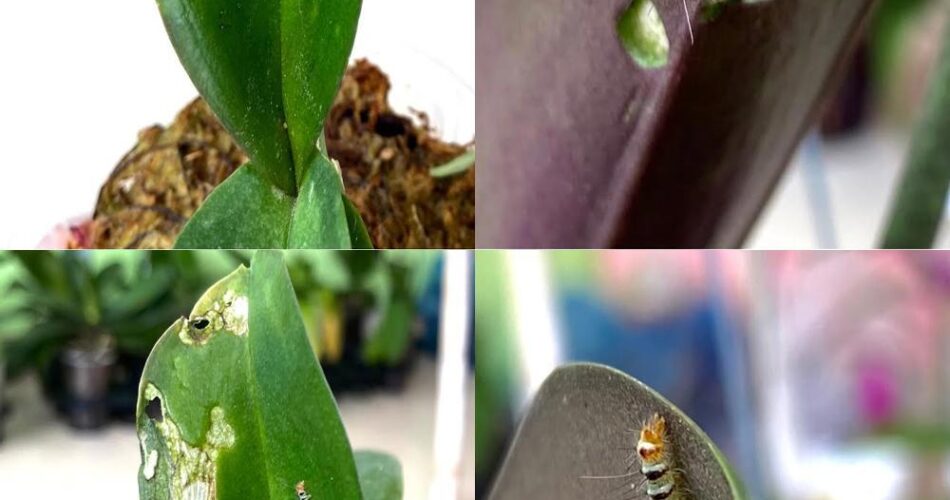
Effective use to protect orchids from pests
Introduction
Orchids are delicate plants that can be attacked by various pests such as aphids, cochenilles and fungi. It is important to protect your orchids effectively to ensure their health and beauty.
Know the pests
Before putting in place protective measures, it is essential to recognize the pests to which your orchids are exposed. Aphids are small insects that suck plant sap, cochenillas attach to stems and leaves, while fungi can cause significant damage.
Methods of protection
Here are some effective methods to protect your orchids from pests:
- 1. Regular monitoring: Regularly inspect your orchids to detect any signs of pest attack. Early detection allows rapid intervention.
- 2. Cleaning and ventilation: Keep your orchids clean by eliminating dead leaves and ensuring good air circulation around plants. This reduces the risk of spread of pests.
- 3. Use of natural insecticides: Prefer natural insecticides such as insecticide soap or neem oil to treat aphids and cochenillas without damaging the plant.
- 4. Prevention of fungi: Keep a good moisture level but avoid excess water to prevent the development of mushrooms. Use natural fungicides if necessary.
- 5. Isolation of Infested Orchids: If a plant is heavily attacked by pests, isolate it from others to prevent spread of infestation.
Regular maintenance
To maintain the protection of your orchids against pests, it is essential to follow regular maintenance:
- Check plants frequently to identify any new signs of infestation.
- Clean pots and accessories to avoid pest proliferation.
- Promote a healthy environment providing your orchids with the ideal light, moisture and temperature conditions.
- Apply preventive treatments regularly such as spraying of natural insecticides to enhance protection.
Conclusion
By following these tips and applying effective protective measures, you can preserve the health and beauty of your orchids by keeping them safe from pests. Vigilance and regular maintenance are essential to ensure the well-being of your plants.