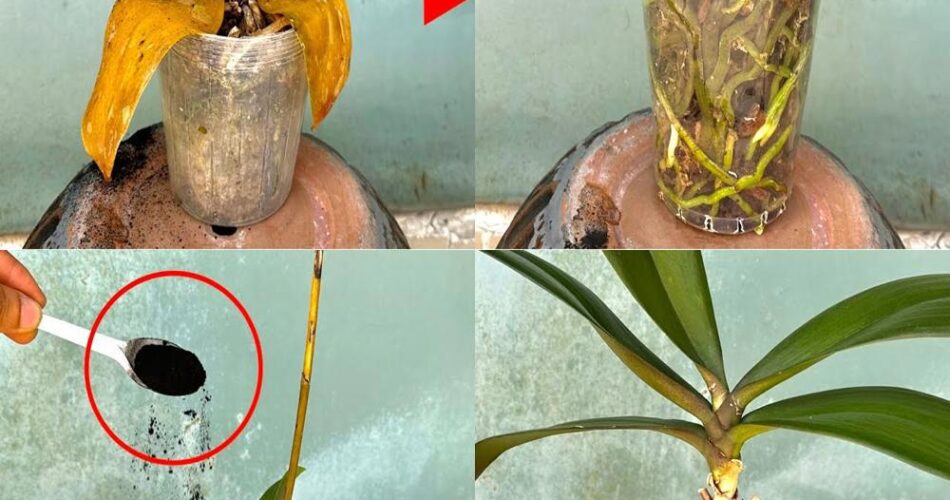
An Effective Solution for Sick Orchids
Orchids are delicate and exotic plants that add a touch of elegance to any interior. However, it may happen that your orchids show signs of disease, which can be a concern for plant lovers. Fortunately, there are effective solutions to treat common diseases that affect orchids. In this article, we will explore some practical tips to help your orchids regain their health and beauty.
1. Identification of Diseases
Before treating a sick orchid, it is essential to properly identify the disease from which it suffers. Common orchid diseases include root rot, leaf spots, pseudobulb rot, and parasite infestations such as cochenilles and red spiders. Watch your orchids carefully for signs of disease, such as spotting or discoloration on leaves, soft roots, or harmful insects.
2. Treatment of Root rot
Root rot is one of the most common problems in orchids, usually caused by excess moisture in the substrate. To treat root rot, gently remove the orchid from its pot and examine the roots for rotten ones. Cut the damaged roots with clean and sterilized tools, then replant the orchid in a new well-ventilated substrate to promote healthy root growth.
3. Management of Foliar Taches
Leaf spots on the leaves of orchids can be caused by factors such as excess moisture, sudden changes in temperature, or fungal diseases. To manage leaf spots, remove the affected leaves from the plant and treat the remaining leaves with a suitable fungicide. Also make sure to maintain an adequate moisture level around your orchids and avoid temperature fluctuations to prevent new infections.
4. Prevention of Pseudobulb rot
Orchids may also be prone to the rotting of pseudobulbs, which can weaken the plant and compromise its flowering. To prevent the rotting of pseudobulbs, make sure you don’t overwater your orchid and make sure that the substrate dries between waterings. Also avoid wetting pseudobulbs during watering and make sure your orchid gets enough light to promote healthy growth.
5. Parasite control
Orchids can be infested by parasites such as cochenilles or red spiders, which can damage the leaves and weaken the plant. To control parasites, regularly inspect your orchids to spot any signs of infestation, such as insects or spider webs. Use insecticides or natural acaricides to treat parasites, taking care to follow carefully the instructions for use to protect the health of your orchids.
Conclusion
By following these practical tips, you can effectively treat common orchid diseases and help your plants regain their health and vitality. Remember to regularly observe your orchids and act quickly in case of signs of disease to prevent more serious damage. With proper care and preventive measures, your orchids will continue to thrive and brighten your living space with their beautiful exotic flowers.