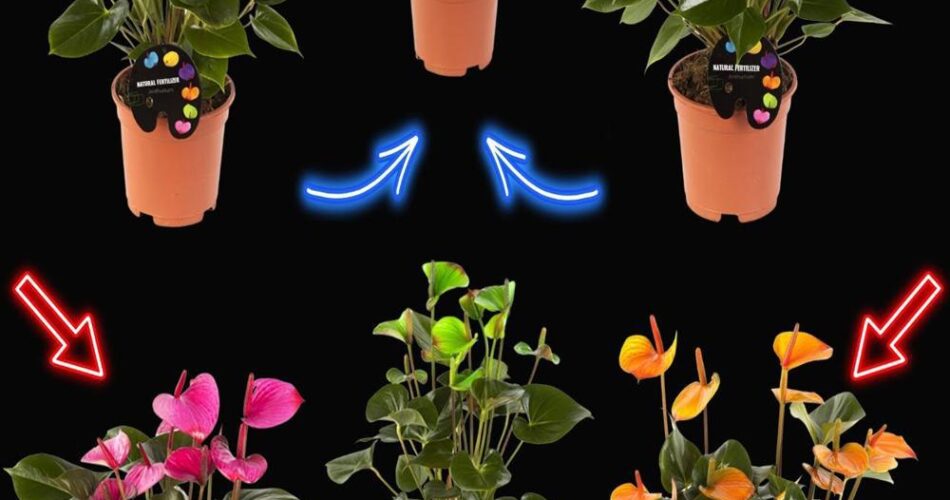
Flower and multiply your plants with natural fertilizer
Plants need nutrients to grow and grow. Using natural fertilizer can be an excellent way to promote the flowering and multiplication of your plants without resorting to harmful chemicals. Here are some tips for concocting your own natural fertilizer and taking care of your plants in a sustainable way.
Why use natural fertilizer?
Natural fertilizers are ecological solutions to feed your plants without damaging the environment. They are often made from organic materials such as compost, manure, or kitchen remains. In addition to providing essential nutrients, natural fertilizers improve soil structure and promote microbial life beneficial to plants.
Which natural fertilizer to choose?
There are many natural fertilizer options that you can use to feed your plants. Examples include:
- Compost: Made from organic waste, compost is rich in nutrients and promotes healthy soil for your plants.
- Manure: Manure is a natural source of nitrogen, phosphorus and potassium from the decomposition of animal waste.
- Plant purins: obtained by maceration of plants in water, purins are rich in trace elements beneficial to plants.
How to use natural fertilizer?
To effectively feed your plants with natural fertilizer, it is important to follow a few simple rules:
- Spread the fertilizer homogeneously around the plant, avoiding direct contact with stems or leaves.
- Water generously after application of fertilizer to allow good absorption of nutrients by the roots.
- Use natural fertilizer regularly but moderately, depending on the specific needs of each plant.
Tips to multiply your plants with natural fertilizer
In addition to feeding your plants, natural fertilizer can also promote their multiplication. Here are some tips to spread your plants naturally:
- Use cuttings: Remove healthy stems from your plants and plunge them into water with natural fertilizer to promote rooting.
- Adopt the tuft division: some plants can be multiplied by gently separating tufts and replanting them in a substrate enriched with natural fertilizer.
- Opt for marcotte: by rooting a branch directly on the parent plant while keeping it in contact with a nourishing substrate, you can get a new plant easily.
Conclusion
Using natural fertilizer, you can promote the flowering and multiplication of your plants in an environmentally friendly way. Experience different natural fertilizer methods to find the best for your plants and enjoy a thriving and healthy garden.