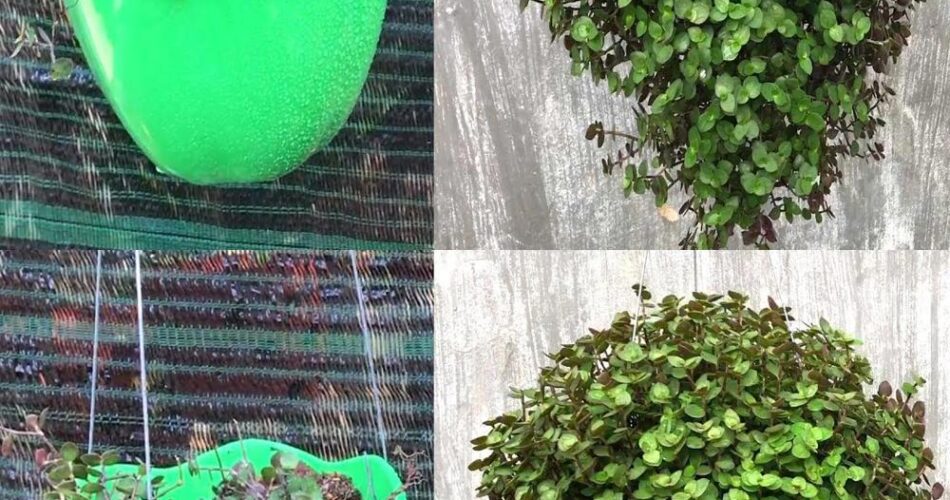
How to grow plants suspended to decorate around the house
Suspended plants are an excellent way to add greenery and color to any space around the house. They can be hung on the terrace, balcony, veranda or even inside the house to create a pleasant and relaxing atmosphere. Here are some practical tips for successfully growing suspended plants:
1. Choosing the right plants
Before starting to grow suspended plants, it is important to select the right varieties suitable for location and environmental conditions. Popular plants for suspension include leafy falling plants such as ivy, fat plants, ferns and petunias.
- Be sure to select suitable plants for light exposure – some plants need a lot of direct light, while others prefer partial shade.
- Choose plants that adapt well to pot life and have a compact root system to facilitate growth in suspended containers.
2. Choose the right containers
Hanging containers are available in a wide variety of shapes, sizes and materials. Be sure to choose pots or baskets that are suitable for the size of the plants you want to grow and that have drainage holes to avoid root rot.
- Coconut fibre hanging baskets are a good choice as they provide good ventilation for the roots and retain moisture.
- Terracotta or plastic pots are also popular for their lightness and durability.
3. Care for suspended plants
To keep your plants suspended healthy and thrive, it is important to follow some basic tips:
- Water the plants regularly according to their water needs. Check the soil moisture with your finger before watering to avoid excess water.
- Bring fertilizer once a month to provide plants with the nutrients they need to grow.
- Monitor signs of disease or pests and act quickly to treat them.
4. Creating attractive compositions
To improve the aesthetics of your hanging plants, you can create attractive compositions by combining different varieties of plants to play with colors, textures and shapes. Here are some ideas:
- Combine dark green foliage plants with variegated foliage plants to create an interesting contrast.
- Mix bright flowering plants with climbing plants to add height to your composition.
5. Placement of suspended plants
The placement of suspended plants is crucial to their growth and to their prosperity. Here are some tips:
- Place plants according to their light needs – plants requiring a lot of direct light should be placed near a sunny window, while plants preferring partial shade should be placed in a more shaded place.
- Make sure to suspend plants at an appropriate height to facilitate watering and maintenance.
By following these practical tips, you can easily grow hanging plants to decorate around your home and enjoy a green and welcoming space wherever you are.