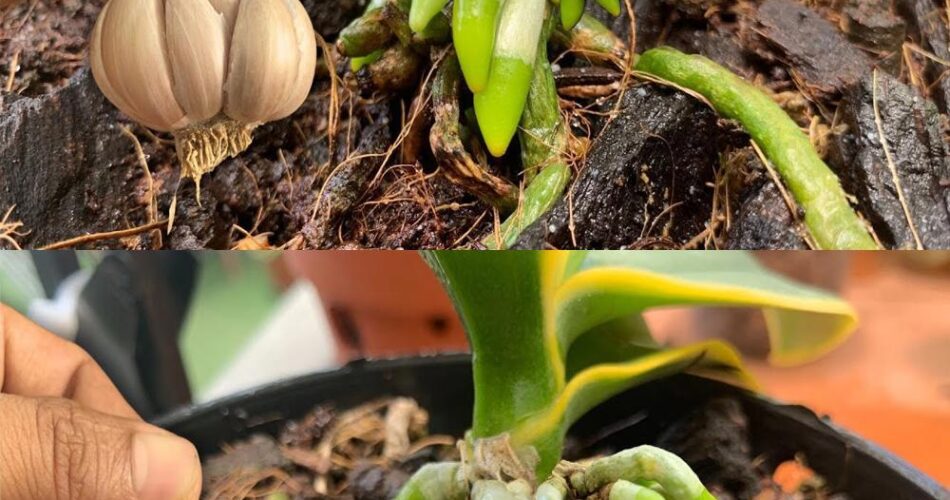
How to take care of orchids to make them flower abundantly and last long
Orchids are beautiful plants that add a touch of elegance to any space. To make them bloom abundantly and last long, it is essential to provide them with the appropriate care. Here are a few steps to take care of your orchids in order to promote their flowering and increase their longevity:
Adequate light
Orchids need light to thrive, but they must be protected from direct sunlight that could burn their delicate leaves. Place your orchids in a bright place, but shelter from direct solar rays.
Regular watering
It is important to maintain a good balance regarding the watering of orchids. Allow the substrate to dry slightly between two waterings to avoid excess moisture that could cause root rot. Use water at room temperature to avoid shocking the sensitive roots of orchids.
Ambient humidity
Orchids enjoy a humid atmosphere, which is why it is recommended to spray their leaves regularly with water to maintain moisture around the plant. You can also place a water container near the orchids to create a damper atmosphere.
Temperature controlled
Orchids prefer moderate and stable temperatures. Avoid significant temperature differences that may stress the plant and compromise its flowering. Keep your orchids in an environment where the temperature remains constant, ideally between 18 and 25 degrees Celsius.
Pruning and leaf care
- Gently remove dead or damaged leaves to promote the growth of new leaves and encourage flowering.
- Make sure your orchids are in a dust-free environment. Clean the leaves regularly with a damp cloth to allow the plant to better absorb light.
Adapted fertilizers
Orchids need specific nutrients to maintain their health and flowering. Use a fertilizer specially formulated for orchids and follow the dosage recommendations. Avoid overnourishing plants, as this may make them more susceptible to disease.
Regular transplanting
- Orchids need to be repotted regularly to renew their substrate and promote their growth. Do this when the roots begin to invade the pot, usually every 1-2 years.
- Use a substrate suitable for orchids, such as pine bark or sphagnum, to ensure good drainage and avoid stagnation of moisture.
Monitor pests and diseases
Regularly inspect your orchids for signs of pests or diseases. Aphids, cochenilles or rot can affect the health of your plants and compromise their flowering. Respond quickly to infestation using appropriate treatments.
By following these tips and providing appropriate care to your orchids, you can make them bloom abundantly and extend their lifespan. Enjoy the beauty and elegance of these exotic plants in your home or garden!