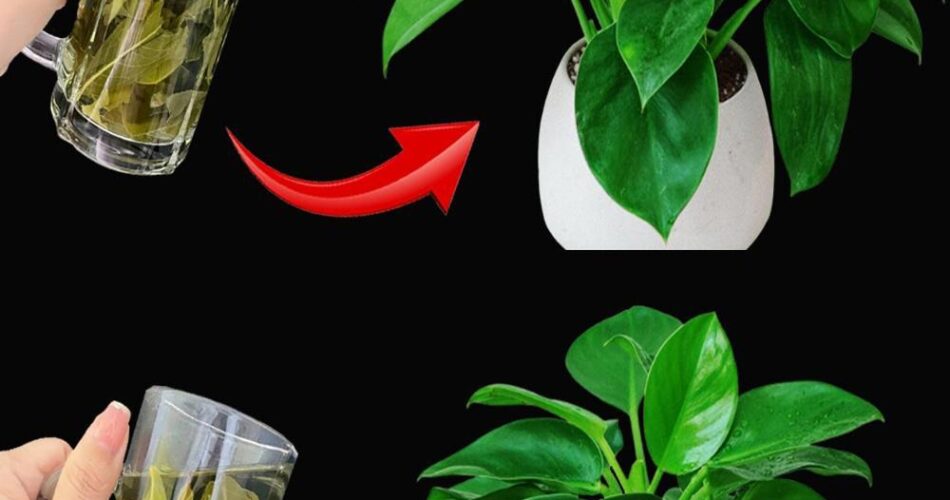
The fertilizer factory doesn’t want you to know this, natural fertilizer,
When we think about the maintenance of our plants, the use of fertilizer is often unavoidable. However, did you know that factory-produced synthetic gears are not the only option available? In this article, we will reveal the secrets about natural fertilizers and why the fertilizer industry does not want you to know more about these ecological and efficient alternatives.
Why opt for natural fertilizers?
- Natural fertilizers are made from organic materials such as compost, manure, kitchen waste, etc. They are therefore not only environmentally friendly, but also beneficial to the health of your plants.
- Unlike chemical fertilizers, natural fertilizers slowly release their nutrients into the soil, ensuring a continuous and balanced diet for your plants.
- Natural fertilizers promote soil life by encouraging microbial activity and improving its structure, allowing plants to better absorb the nutrients present.
What types of natural fertilizer are available?
There is a wide variety of natural fertilizers on the market, adapted to different plant needs and types:
- Compost: Made from organic waste, compost is an excellent soil amendment that enriches its structure while providing essential nutrients.
- Manure: from the decomposition of animal excrement, manure is rich in nitrogen, phosphorus and potassium, which are fundamental to plant growth.
- Plant purins: obtained by maceration of certain plants in water, the purins are rich in trace elements and nutrients useful to strengthen the natural defenses of plants.
How to use natural fertilizers effectively?
To ensure effective fertilization of your plants while maintaining ecosystem balance, here are some practical tips:
- Avoid excesses: natural fertilizers are concentrated in nutrients, so it is essential to respect the recommended doses to avoid overfertilization.
- Spread out the applications: instead of providing a massive dose at one time, divide natural fertilizer intakes throughout the growing season for progressive absorption by plants.
- Mix the different sources of fertilizer: by combining various types of natural fertilizers, you offer your plants a variety of nutrients for optimal development.
Conclusion
In conclusion, natural fertilizers are an ecological and efficient alternative to synthetic fertilizers widely used in the agricultural industry. Their use not only promotes the health of your plants, but also contributes to the preservation of the environment. So don’t hesitate to explore these natural solutions to take care of your garden in a sustainable and responsible way.