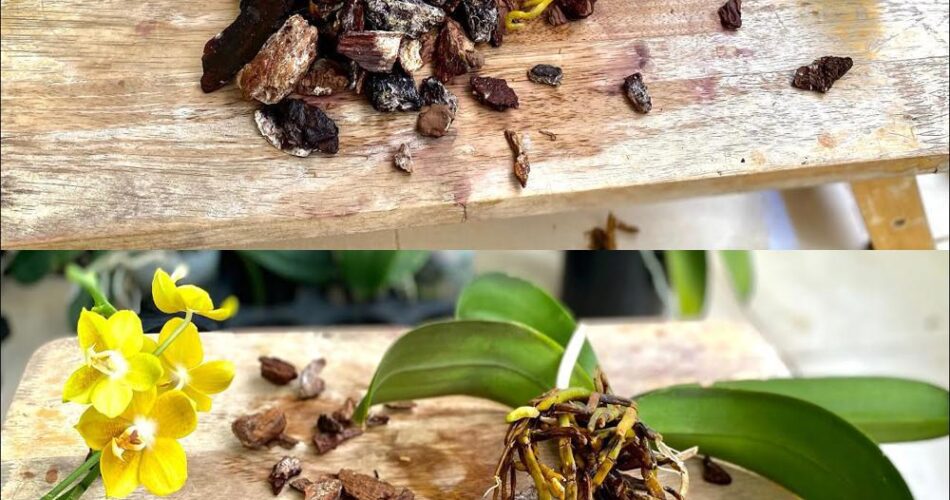
Tip to recognize and treat Mycosis quickly on Orchids, Easily!
Orchids are delicate and beautiful plants, but they are also susceptible to diseases, including fungus. Early recognition of the signs of fungal disease is crucial for effective treatment. Here are some tips to help you identify and treat mycosis on your orchids.
Identify Mycose Signs on Orchids
- The leaves have brown or black spots.
- Flowers fade prematurely.
- A duvetous or powdery appearance on leaves or stems.
- The roots are soft or brownish.
If you see one or more of these signs on your orchids, they may be infected with a fungus.
Treat Mycosis on Orchids
It is essential to act quickly to treat mycosis on your orchids. Here are some steps to follow:
- Isolate the Plant: It is important to isolate the infected plant to avoid the spread of mycosis to other orchids.
- Clean Tools: Be sure to disinfect your gardening tools before using them on other plants to avoid contamination.
- Remove Infected Parties: Gently remove parts of the plant infected with mycosis by ensuring that the rest of the plant is not damaged.
- Apply Fungicide: Use a fungicide specially designed for orchids to effectively treat mycosis. Follow the manufacturer’s instructions.
- Optimize Growth Conditions: Make sure that your orchids benefit from the ideal conditions in terms of humidity, light and temperature to promote rapid healing.
By following these steps of treatment, you can help your orchids recover from mycosis and regain their natural beauty.
Preventing Mycosis on Orchids
To prevent your orchids from being affected by mycosis, here are some preventive measures to take:
- Avoid excess humidity: Make sure that the soil of your orchids is not too wet, which can promote the development of mycosis.
- Aérez et Avoid les Espaces Confines : Give your orchids good air circulation to avoid stagnant moisture.
- Avoid Excessive Watering: Water your orchids moderately, ensuring that the water does not stagnate in the pots.
- Monitor regularly: Inspect your orchids regularly to spot any signs of disease, including mycosis, and act quickly in case of a problem.
By applying these preventive measures, you can protect your orchids from mycosis and provide an environment conducive to their development.
Conclusion
Recognizing and treating mycosis quickly on your orchids is essential to preserve their health and beauty. By identifying signs of mycosis, acting quickly to treat infection and putting in place preventive measures, you can offer your orchids the best possible care.