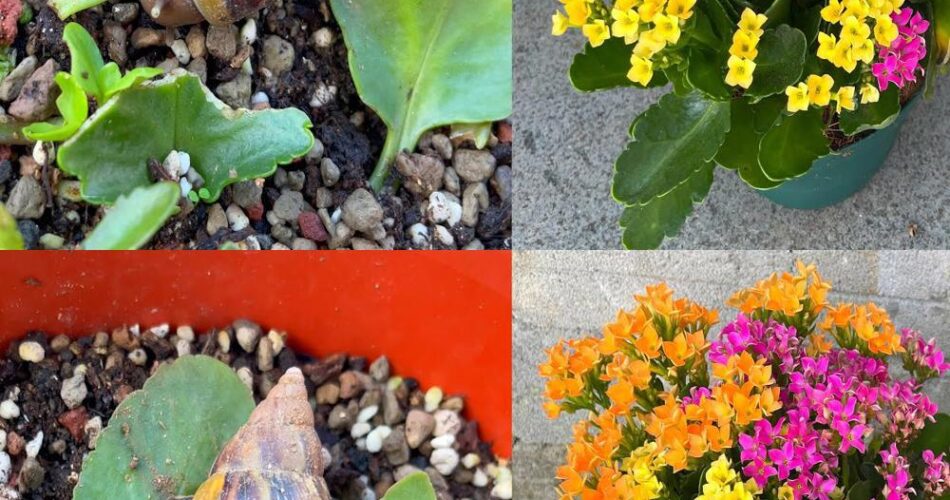
When planting cuttings and leaves of Kalanchoe pinnata in winter, a problem to remember
The Kalanchoe pinnata, also known as the lifesheet or miracle plant, is a succulent plant popular for its beauty and medicinal properties. Planting cuttings and leaves of Kalanchoe pinnata in winter can be a delicate process that requires special attention. This article explores an important problem not to be forgotten during this operation.
The choice of substrate
One of the crucial aspects of planting Kalanchoe pinnata cuttings and leaves in winter is the choice of substrate. Kalanchoe pinnata thrives in a well drained and light soil. To ensure healthy growth of your cuttings and leaves, it is recommended to use a mixture of special soil for succulent plants and coarse sand. This substrate will allow good drainage while retaining the moisture necessary to promote rooting.
Ambient temperature
Another crucial element to consider when planting Kalanchoe pinnata cuttings and leaves in winter is ambient temperature. Kalanchoe pinnata is a tropical plant that prefers warm temperatures and does not tolerate frost conditions. Make sure you place your cuttings and leaves in a place where the temperature does not fall below 10°C. A well heated greenhouse or room can be ideal for creating an optimal growth environment in winter.
Exposure to light
Light is an essential factor in the healthy development of Kalanchoe pinnata cuttings and leaves in winter. Make sure to place your plants in a well-lit place, but avoid direct exposure to sunlight, which could burn young shoots. Indirect exposure to natural light for a few hours a day is sufficient to promote leaf growth and colouring.
Precautionary watering
- Since plants need less water in winter, it is important not to overwater your Kalanchoe pinnata cuttings and leaves. Excessive watering can cause root rot and plant death. Allow the substrate to dry between each watering to avoid excessive moisture problems.
- Use water at room temperature to water your plants, preferably early in the morning to allow water to evaporate during the day and avoid prolonged humidity at night.
Regular monitoring
Finally, it is important to regularly monitor the condition of your Kalanchoe pinnata cuttings and leaves during the planting period in winter. Inspect plants to detect any signs of illness or stress, and act quickly if necessary. By doing so in time, you can prevent possible problems and ensure the health of your plants.
By following these tips and being attentive to these important aspects when planting Kalanchoe pinnata cuttings and leaves in winter, you can maximize the chances of success and enjoy beautiful succulent plants well established the following spring.