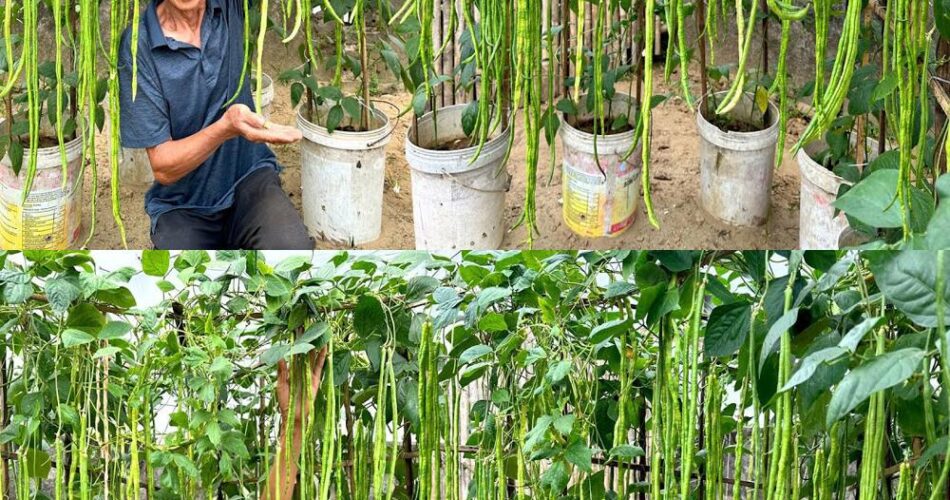
The secret of the spectacular success of cowpeas without worrying about expensive care
Cowpeas, also known as niebe beans, are plants belonging to the legume family. They are popular because of their ability to grow in arid and unfertile conditions while providing an essential protein source. Growing cowpeas successfully can be an effective way to secure an abundant harvest without having to worry about expensive care. Here are some secrets to grow cowpeas dramatically:
Choose the right location:
Cowpeas thrive in sunny conditions with well drained soil. Be sure to plant your seeds in a place where they will have enough direct sunlight. Avoid areas prone to accumulation of stagnant water, as this can lead to fungal diseases and compromise cowpeas growth.
Prepare the soil correctly:
Before you sow your cowpeas seeds, it is essential to prepare the soil properly. Make sure the soil is well improved and free of all weeds. Add compost or organic fertilizer to enrich the soil with essential nutrients. Cowpeas are rustic crops that can tolerate poor soils, but proper soil preparation will promote healthier growth and abundant harvest.
Minimum care:
- Cowpeas are resistant plants that require little intervention once they are established. Keep the soil moist but not wet, especially during periods of active growth.
- The fertilization needs of cowpeas are generally low, especially if the soil has been properly prepared initially. If necessary, light, balanced fertilizer applications can be made during the growing season.
- Monitor potential pests such as aphids and hake, which can damage cowpea plants. One-off treatments with natural or biological solutions can help control these pests without using expensive chemicals.
Harvesting and Conservation:
Cowpeas are ready to be harvested about 60 to 90 days after planting, depending on the cultivated variety and growing conditions. Harvest pods when young and tender for an optimal flavor. You can consume fresh seeds, dry them for later use, or freeze them for longer term preservation. Cowpeas seeds are rich in protein and fiber, making them a nutritious and versatile food.
Conclusion:
By following these simple tips, you can enjoy a spectacular harvest of cowpeas without having to worry about expensive care. Cowpeas are low-demand crops that can thrive in a variety of conditions, making it an ideal choice for budget-conscious gardeners. Try to grow cowpeas in your garden and discover for yourself the pleasure of harvesting your own tasty and nutritious legumes.