Introduction
Are you passionate about gardening and want to grow your own vegetables in a creative and environmentally friendly way? So the eco-creative vegetable garden is for you!
Plant selection
Start by selecting the plants you want to grow in your vegetable garden. Choose local and seasonal varieties to promote biodiversity and get more tasty vegetables.
Garden layout
Organize your vegetable garden creatively by using geometric shapes or mixing different plants to create a harmonious balance. Think of the arrangement of colours and textures for an aesthetic result.
Use of Recycled Materials
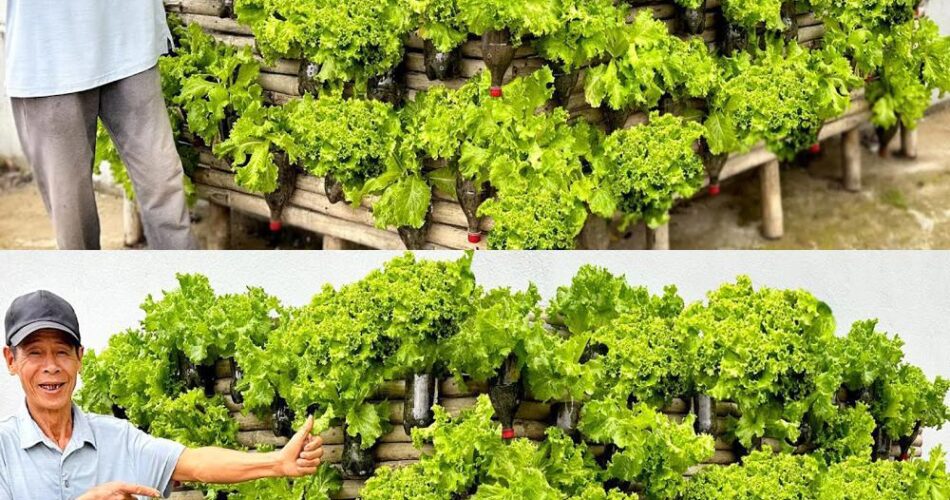
Choose recycled materials to build your eco-creative vegetable garden. Wooden pallets, recycled terracotta pots or plastic bottles can be diverted to create original and eco-responsible planters.
Environmentally Friendly Culture Techniques
- Prefer organic farming methods without pesticides or chemical fertilizers to preserve the health of the soil and the quality of your vegetables.
- Use composting to naturally fertilize your soil and promote plant growth. You can also recycle kitchen waste to enrich your compost.
- Choose water-efficient irrigation systems such as dripping or rainwater recovery to limit your water consumption.
Exchange of Seeds and Know-how
Participate in seed and know-how exchanges with other gardening enthusiasts to diversify your crops and learn more about ecological gardening techniques.
Surprise yourself with Old Varieties
Don’t hesitate to plant old and forgotten vegetable varieties to discover new flavours and rediscover the culinary heritage of your region. These varieties are often more resistant and full of character.
Conclusion
By lovingly cultivating your vegetable garden and adopting environmentally friendly practices, you can not only enjoy healthy and tasty vegetables, but also help preserve biodiversity and create a pleasant living space for you and your family.