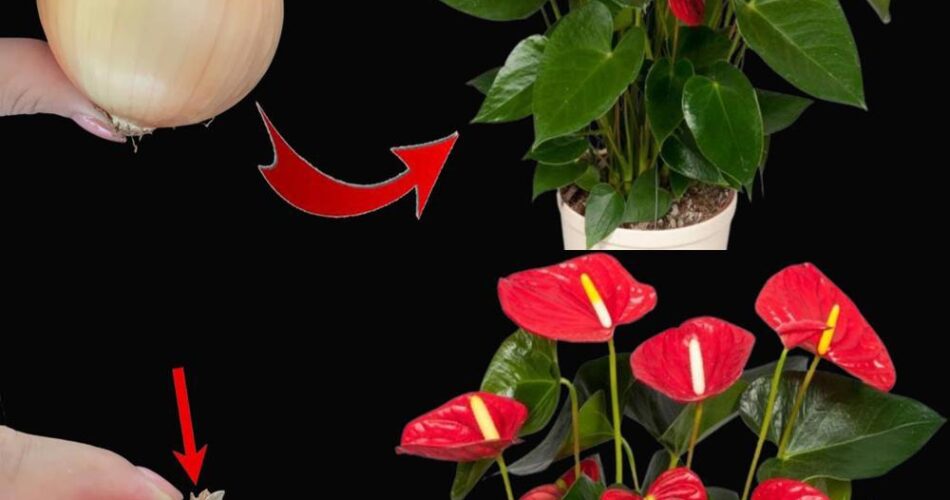
Do it now for plants in bloom all year long (any plant)
Having flowering plants all year round in your garden or inside your home is a wish shared by many gardeners. One of the keys to keeping your plants healthy and promoting continuous flowering is the use of suitable natural fertilizer. Here are some practical tips to achieve this:
1. Understanding the needs of your plants
Before choosing a natural fertilizer for your plants, it is essential to understand the specific needs of each species. Some plants require nitrogen-rich fertilizer to promote leaf growth, while others prefer more balanced fertilizer for abundant flowering. Make sure you know the requirements of each plant before starting to fertilize.
2. Opt for natural fertilizers
- Compost: Compost is a natural fertilizer rich in essential nutrients for plants. By adding compost to your soil, you provide your plants with the necessary elements for healthy growth and abundant flowering.
- Manure: Animal manure is an excellent natural fertilizer for flowering plants. Make sure that compost is properly used or diluted to avoid burning plant roots.
- Green fertilizers: Green fertilizers, such as alfalfa or mustard, are plants that you can grow specifically to enrich your soil with nutrients. By regularly incorporating them into your garden, you improve the soil structure and promote better growth of flowering plants.
3. Fertilize regularly
To keep plants in bloom all year round, it is important to fertilize regularly. This ensures constant nutrient intake for your plants and stimulates continuous flowering. However, be careful not to overfertilize, as this may harm your plants.
4. Water with care
In addition to natural fertilizer, watering is a key element for healthy flowering plants. Make sure you water your plants regularly, but without excess. Excessive watering can cause problems such as root rot, while insufficient watering can cause wilting and decreased flowering.
5. Take care of exposure and brightness
Choosing the location of your plants is also crucial to ensure abundant flowering. Make sure to place your plants according to their natural light needs. Some plants prefer direct exposure to the sun, while others thrive better in shade. By respecting these needs, you promote optimal growth and continuous flowering.
- Indoor Plants: Place your indoor plants near a window with good natural light, but avoid direct exposure to sunlight to avoid burns on the leaves.
- Outside plants: For outdoor plants, be sure to place them in areas of the garden where they will benefit from adequate sunlight according to their specific needs.
By following these tips and using a suitable natural fertilizer, you can enjoy beautiful flowering plants all year round, whether inside your home or in your garden. Take care of your plants with love and patience, and you will be rewarded with brilliant and lasting flowering.