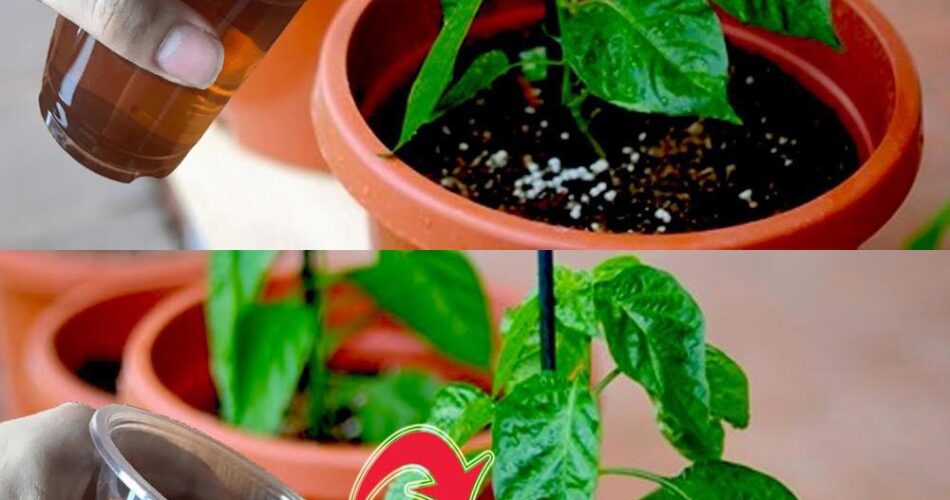
Do not grow cucumbers and peppers without this! Plants are healthy, without fungi or pests
The cultivation of cucumbers and peppers is a popular choice among amateur gardeners and farmers because of their delicious flavour and versatility in cooking. However, to grow healthy and productive plants, it is essential to take certain precautionary measures to avoid fungal infections and pest attacks.
Choosing the right location
The first step to successfully growing cucumbers and peppers is to choose the right location for your garden. Make sure to select a well drained, sunny and sheltered wind site. Your plants will need at least 6 to 8 hours of direct sun a day to thrive.
The ideal ground
The soil in which you grow cucumbers and peppers must be well drained, rich in organic matter and have a balanced pH. Before planting, you can modify the soil with compost or decomposed manure to improve its structure and fertility.
Crop rotation
Crop rotation is an effective method of preventing soil depletion and reducing the risk of disease. Avoid planting cucumbers and peppers in the same place each year. Alternate with other crops to prevent the accumulation of soil-specific diseases.
Using mulch
Mulch is an excellent way to keep soil moist, reduce weeds and protect plant roots. It can also help to prevent soil splashes on leaves, which can encourage the development of fungal diseases. Choose an organic mulch such as straw, dead leaves or garden waste to protect your cucumbers and peppers throughout the growing season.
Regular watering
Cucumbers and peppers need regular watering to maintain healthy growth and abundant production. Make sure to keep the soil evenly moist, however avoiding excess water that could promote root rot. A drip irrigation system can be an effective option to provide an adequate amount of water without wastage.
Pest monitoring
Cucumbers and peppers are susceptible to various pests such as aphids, aleurodes and caterpillars. Regular monitoring of your plants is essential to detect any early infestation. You can use natural remedies such as neem sprays or insecticide soap to control pests without damaging the environment.
Size and thinning
Size and thinning of cucumber and pepper plants are important practices for healthy growth and better air circulation. Remove damaged leaves and stems to reduce the risk of fungal diseases. In addition, lighten the fruits to allow others to develop fully.
Surveillance of fungal diseases
Cucumbers and peppers are particularly susceptible to fungal diseases such as l的oidium, root rot and mildew. The best way to prevent these infections is to maintain a good circulation of air around the plants by properly spacing rows and avoiding excessive watering from the top. In case of infection, you can treat your plants with natural fungicides to limit damage.
Harvest and storage
When it comes time to harvest your cucumbers and peppers, make sure to do so at the right time for an optimal flavor. Harvest cucumbers when they are still young and tender, and peppers when they reach their desired colour. After harvest, store the vegetables in a cool and dry place to extend their shelf life.
- In summary, to successfully grow cucumbers and peppers, it is important to:
- Choose a sunny and well drained location.
- Prepare a soil rich in organic matter.
- Practice crop rotation to prevent disease.
- Use mulch to protect plants and prevent fungal diseases.
- Water properly regularly.
- Monitor pests and diseases carefully.
- Cut and thin plants for healthy growth.
- Harvest and store vegetables properly.
By following these tips and taking care of your cucumber and pepper plants carefully, you can enjoy an abundant harvest of healthy and tasty vegetables throughout the season.