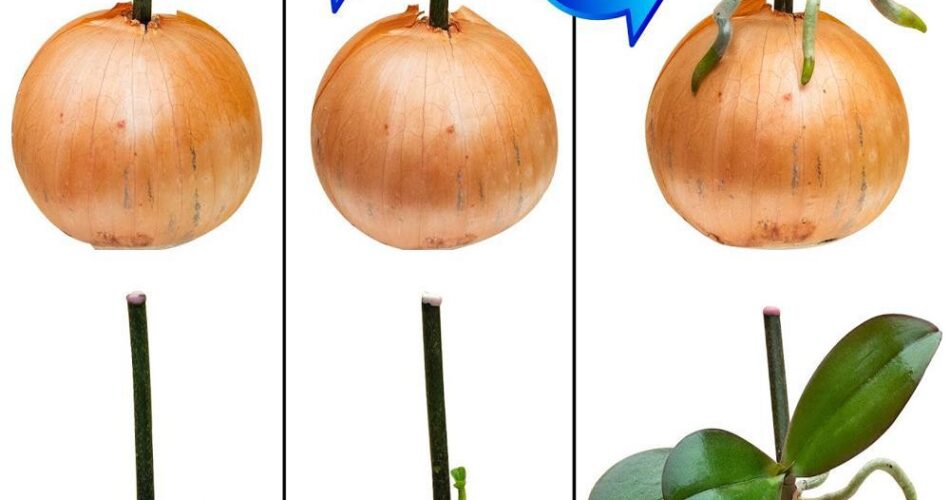
Methods of propagation of unknown orchids worldwide
Orchids are fascinating exotic plants and highly appreciated for their beauty and variety. The spread of orchids may seem to be a challenge for many gardeners, but there are actually several unknown and effective ways to multiply these exotic plants. Discover below little known propagation techniques that can help you develop your orchid collection.
Pseudobulb division
The division of pseudobulbs is a common but often underestimated method of propagation in many orchid species. This method involves separating pseudobulbs into individual segments with at least one active bud. Make sure to use a sterilized tool to prevent infections and replant pseudobulbs in a suitable substrate after division. This method is ideal for orchids that produce cluster pseudobulbs.
Division of rhizomes
The division of rhizomes is a less known but equally effective propagation technique. Some orchid types, such as sympodials, produce creeping rhizomes with lateral shoots. You can divide these rhizomes into individual sections by ensuring that each segment has at least one viable shoot. After division, replant the segments in a suitable substrate and ensure that the moisture required to promote growth is maintained.
Propagation by keiki
Keikis are small seedlings that grow on the stems of orchids. This natural propagation method can also be artificially promoted by gently removing keikis and replanting them in a wetland. Keikis can develop into mature plants, thus providing an effective method of propagation and little known for orchids.
Root tufts division
The division of root tufts is an appropriate propagation method for terrestrial or epiphytic orchids that have dense root systems. Gently divide the root tuft into smaller sections, ensuring that each section has healthy roots and at least one shoot. Replant these divisions in individual pots with a suitable substrate to promote orchid growth and development.
Divisional propagation of inflated pseudobulbs
Some orchids, such as cattleyas, produce swollen pseudobulbs that can be divided for propagation. Gently separate swollen pseudobulbs into individual sections, ensuring that you keep an adequate amount of roots and leaves on each segment. After division, replant these pseudobulbs in a well drained substrate and maintain constant moisture to promote rooting and plant growth.
Conclusion
By exploring these methods of spreading unknown orchids, you can expand your collection of exotic plants and discover new ways to multiply your favorite orchids. Do not hesitate to experiment with these techniques and to adjust your practices according to the specific needs of each species of orchid. With a little practice and patience, you can enjoy the beauty and diversity of orchids in your garden or home.