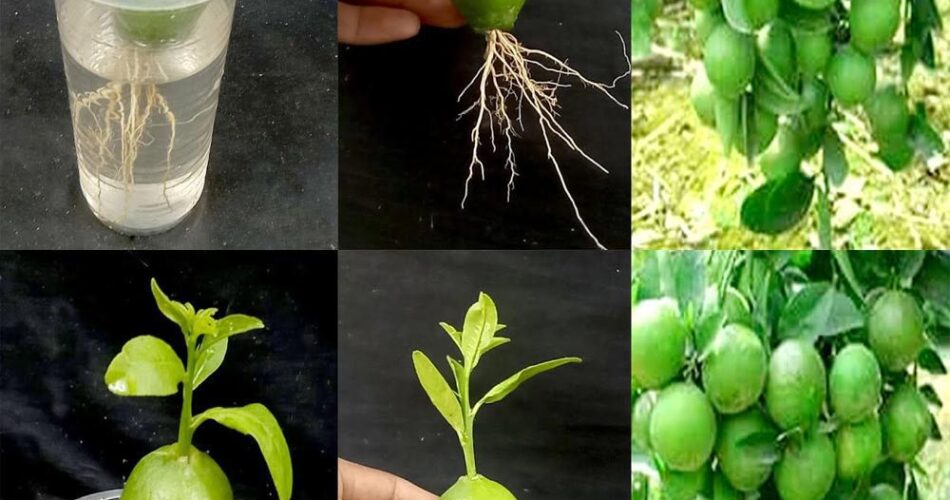
Introduction
Lemon trees are elegant and fragrant plants that bring a touch of freshness and greenery to any interior space. Growing a lemon tree at home may seem intimidating, but with the right techniques and care, you can enjoy your own fresh lemons all year round. In this article, we will explore the necessary steps to grow a lemon tree successfully at home.
Choice of lemon tree
The first step to grow a lemon tree at home is to choose the right variety. It is recommended to choose a dwarf variety, suitable for pot culture, such as Meyer, Lisbon or Ponderosa Lemon. Make sure the plant is healthy, with bright green leaves.
Lemon plantation
To plant a lemon tree, choose a terracotta pot about 30 to 40 cm in diameter with drainage holes. Fill it with a mixture of good quality soil and sand to ensure good drainage. Place the plant in the sun, in a well-lit place in your home.
Lemon tree care
- Watering: The lemon trees need regular watering, but be careful not to water them too much. Let the top of the floor dry slightly between each watering.
- Fertilizers: Provide your lemon tree with a balanced fertilizer for acidophile plants once a month during the growing period.
- Temperature: Lemon trees enjoy warm temperatures during the day, but can tolerate cooler temperatures at night. Avoid cold air currents and temperatures below 10 degrees Celsius.
- Size: Cut your lemon tree regularly to promote fruit growth and production. Eliminate dead or sick branches and shorten branches too long to encourage new shoots.
Flowering and fruiting of lemon tree
The lemon trees produce beautiful fragrant white flowers before producing fruit. To promote flowering and fruiting, you can fertilize the plant with fertilizer rich in phosphorus and potassium in spring.
Harvest lemons
Once the lemons are ripe, you can harvest them by gently cutting them with a clean secateur. Lemons usually last several weeks at room temperature, or longer if stored in a refrigerator.
Common problems of lemon tree
- Nutrient deficiency: Watch for signs of yellow leaves, which may indicate nutrient deficiency. Fertilize the plant with a balanced fertilizer to help correct the situation.
- Pest attack: Aphids, cochenilles and red spiders can attack lemon trees. Use natural treatments or mild insecticides to remove these parasites.
- Moisture: Lemon trees are sensitive to root rot caused by excess moisture. Make sure to drain the pot and not let the water stagnate in the saucer.
Conclusion
By following these simple tips, you can successfully grow a lemon tree at home and enjoy delicious fresh lemons throughout the year. Don’t forget to give your plant a lot of love and attention, and it will give you beautiful greenery and tasty juicy fruits.