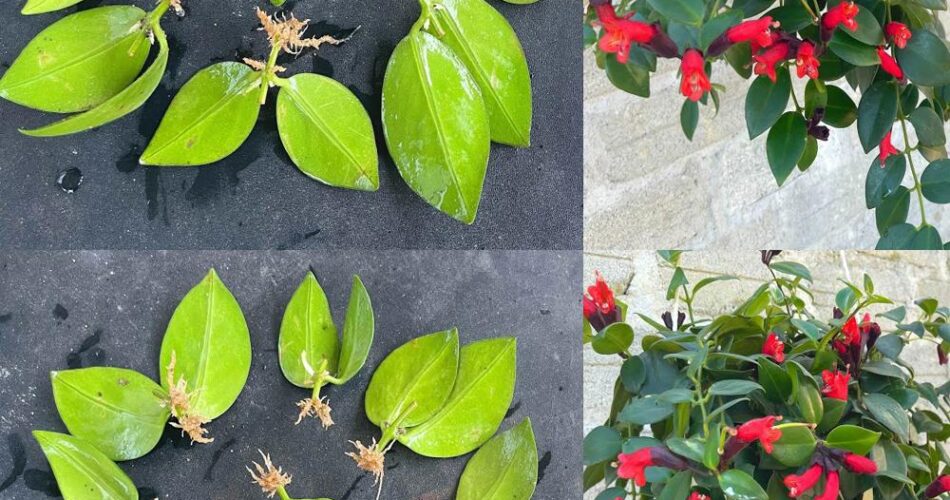
The wonder of leaves, now rooted in a young plant
The leaves are an essential component of many plants and play a crucial role in their survival and growth. They are responsible for photosynthesis, a vital process that allows plants to produce food by absorbing sunlight, carbon dioxide and water.
Leaves are also an indicator of plant health. Their colour, texture and shape can provide valuable information on the plant’s needs in terms of light, water and nutrients.
The different parts of a sheet
- The blade: it is the flat and generally green part of the leaf, where photosynthesis takes place.
- The veins: these are the lines that run through the limb and carry the sap, composed of water and nutrients, through the leaf.
- The petiole: it is the stem that connects the leaf to the stem of the plant.
The process of photosynthesis
Photosynthesis is a complex process that occurs in leaf cell chloroplasts. Chloroplasts contain chlorophyll, a green pigment that absorbs sunlight and allows the plant to transform light energy into chemical energy.
During photosynthesis, the plants absorb carbon dioxide from the air by stomata, small pores present on the lower side of the leaves. They also absorb water through the roots and bring it up through the plant vessels to the leaves.