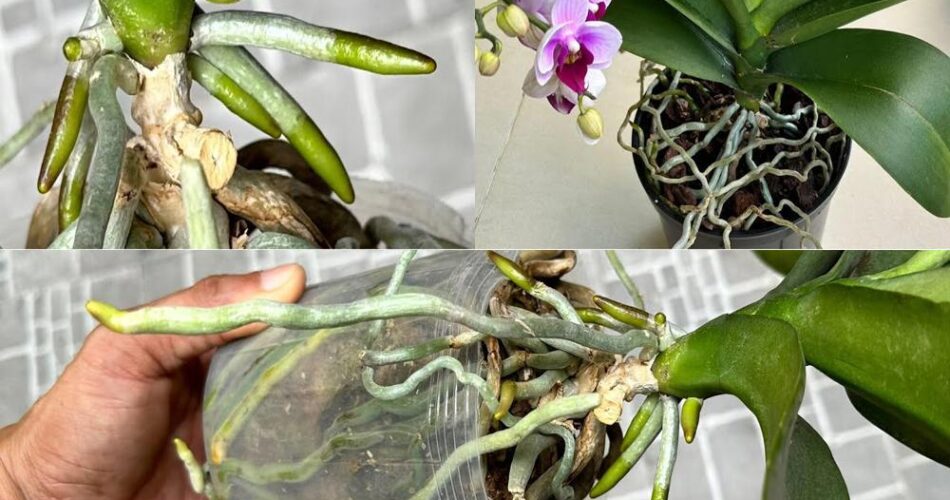
The wonderful growth of plant roots in darkness
Roots of plants play a crucial role in their growth and development. However, it is interesting to note that the roots of many plants can actually develop surprisingly under conditions of total darkness. In this article, we will explore this fascinating phenomenon and explain how the roots of plants grow without light.
Adaptations of plant roots to darkness
In the absence of light, plant roots must adapt to continue to develop and absorb the nutrients needed for their growth. One of the key adaptations of roots in darkness is the increase in the production of growth hormones, such as auxins, which stimulate root growth. This allows the roots to actively search for water and nutrients in the soil, even in the absence of light.
The role of gravity in root growth
Another important aspect of plant root growth in darkness is the role of gravity. In fact, gravity plays a crucial role in the orientation and growth of roots, even in the absence of light. The roots of the plants have the ability to perceive gravity and to orient themselves in the optimal direction to absorb water and soil nutrients.
Ideal conditions for root growth in the dark
- Adequate humidity: Plant roots need sufficient moisture to effectively absorb water and soil nutrients. Make sure the soil is well hydrated to promote root growth.
- Good soil ventilation: Good soil ventilation is essential to allow the roots to develop properly. Avoid too compact soils that could hinder root growth.
- Essential nutrients: Plant roots require essential nutrients such as nitrogen, phosphorus and potassium to grow and thrive. Make sure the soil is rich in these nutrients to promote healthy root growth.
Conclusion
In conclusion, the growth of plant roots in darkness is a fascinating process that highlights the incredible adaptability of plants. By understanding the underlying mechanisms of this phenomenon, gardeners and plant enthusiasts can grow and maintain their plants better, even in low-light conditions.